
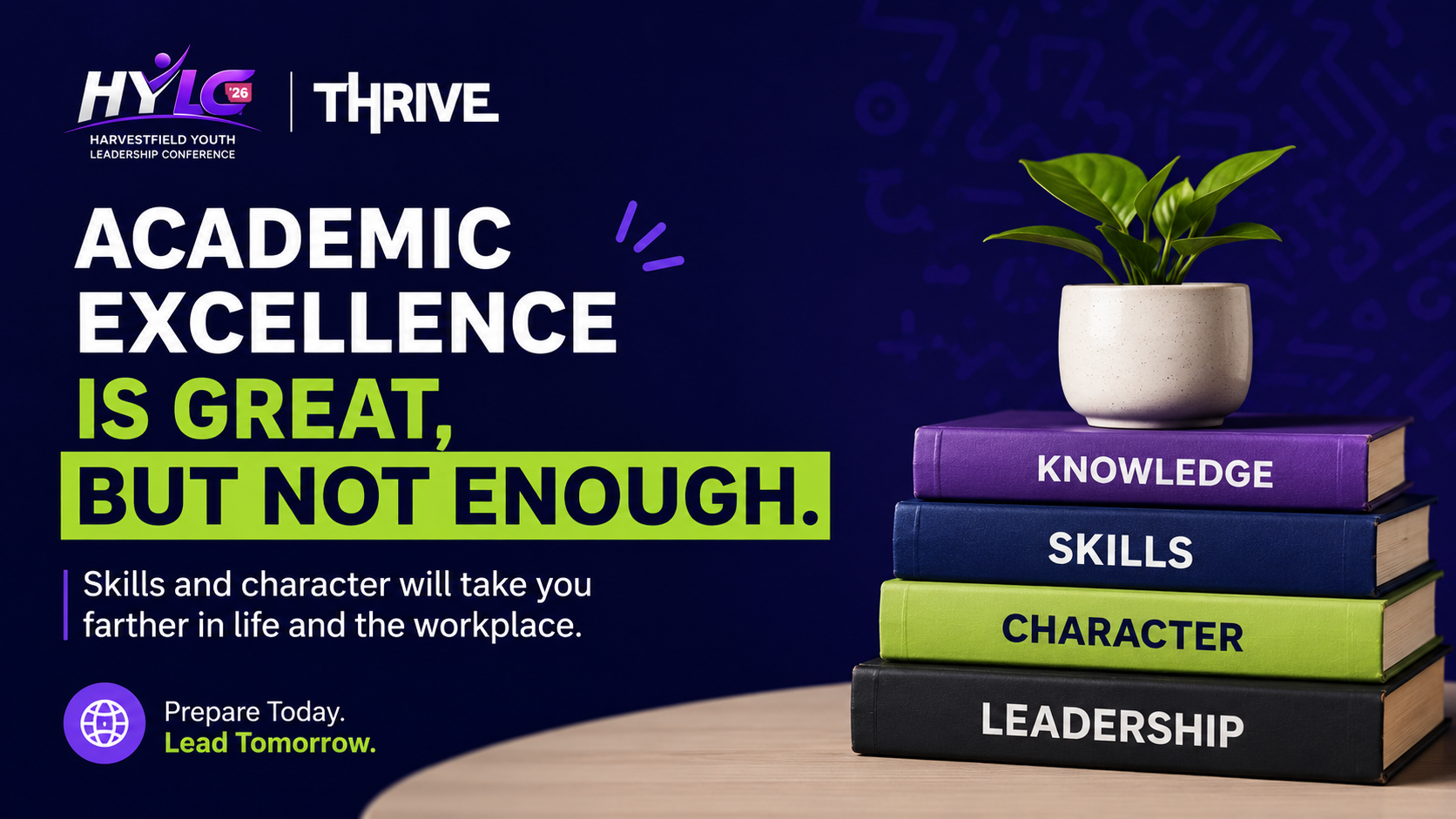
Why Good Grades Are No Longer Enough
For decades, young people were told a simple formula for success: work hard, get good grades, earn a degree, and opportunities would follow. It was advice that shaped generations. Parents encouraged it, teachers reinforced it, students believed it. While academic excellence remains important, the world young people are entering today is very different from the one their parents knew. Across universities, workplaces, and industries, there is growing recognition that good grades alone are no longer enough to guarantee success.
This shift is particularly important in a world that has become more connected than ever before. Opportunities are no longer confined by geography. A student in Lagos can apply for a scholarship in Canada, compete for an internship with an international organisation, or collaborate remotely with people from different parts of the world. While this creates exciting possibilities, it also means that young people are no longer competing only with their immediate peers. They are competing within a global talent pool. In such an environment, potential is not enough, talent is not enough, even academic excellence, on its own, is not enough. What often separates those who secure opportunities from those who miss them is strategic positioning.
Young people today are entering a world where employers, universities, scholarship providers, and even entrepreneurial ecosystems are looking beyond academic credentials. They are looking for individuals who can think critically, collaborate effectively, communicate confidently, and navigate complexity. In other words, they are looking for people who are prepared not just to participate in the future, but to thrive in it. This is where the idea of global relevance becomes important. Global relevance is not about relocating abroad or competing with everyone in the world. It is about developing the knowledge, skills, mindset, and perspective required to succeed in a world that is increasingly interconnected. Whether a young person chooses to build a career in Nigeria, pursue international education, launch a business, or work across borders, the expectations are changing. The standards are changing. The competition is changing.
As a result, young people can no longer afford to focus exclusively on academic achievement. The most successful individuals are often those who combine knowledge with leadership, competence with character, and qualifications with the ability to create value. They understand that while grades may open doors, sustained success requires much more than what appears on a transcript.
These realities raise an important question for both young people and parents: beyond academic achievement, what else is required to succeed in today’s world?
Finding answers to that question has never been more important.
This is one of the conversations at the heart of the Harvestfield Youth Leadership Conference (HYLC) 2026. Under the theme “THRIVE!!!” and sub-theme “Positioned for Global Relevance,” the conference brings together experienced educators, leadership experts, coaches, and professionals to equip young people with the clarity, confidence, skills, and perspectives needed to thrive in a rapidly changing world.
Because the future will not belong only to those who are qualified.
It will belong to those who are prepared